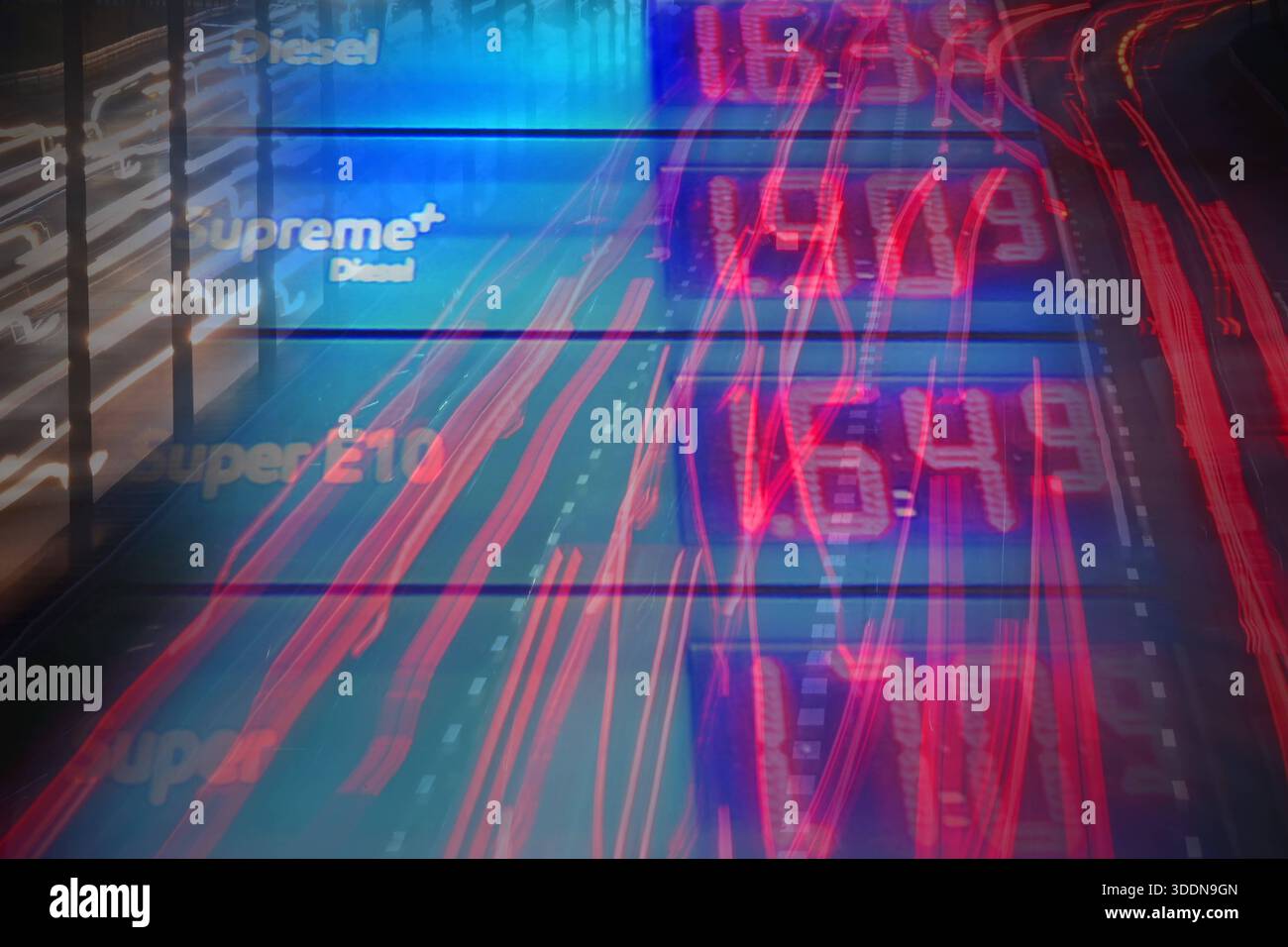
The Unyielding Ascent: Understanding Why Fuel Prices Keep Rising
For drivers worldwide, the sight of escalating numbers at the petrol pump has become a frustratingly common occurrence. The phrase "spritpreise gestiegen" – German for 'fuel prices have risen' – has become an all too familiar refrain, encapsulating a shared global concern. While many factors contribute to this upward trend, from geopolitical tensions to global oil demand, two significant elements often catch consumers off guard: the increasing CO2 surcharge and the sometimes enigmatic markups applied by individual service stations. Understanding these components is key to deciphering why filling up your tank feels increasingly heavy on your wallet.
The turn of the year frequently brings bad news for motorists, particularly in regions where carbon pricing mechanisms are in place. What might seem like a simple market fluctuation is often a complex interplay of environmental policy and commercial realities. Beyond the wholesale cost of fuel, governmental efforts to combat climate change, coupled with the operational costs and profit margins of fuel retailers, converge to create the final price at the pump. Let's delve deeper into these two critical factors that drive the continuous rise in fuel costs.
The Green Tax Impact: Deciphering the CO2 Surcharge
One of the most significant, policy-driven contributors to the upward trajectory of fuel prices is the CO2 surcharge, also known as a carbon tax. This environmental levy is designed with a clear objective: to make carbon-intensive activities, such as burning fossil fuels, more expensive, thereby incentivizing individuals and industries to reduce their carbon footprint and shift towards cleaner alternatives.
What is the CO2 Surcharge?
The CO2 surcharge is essentially a tax applied to carbon dioxide emissions generated from the combustion of fossil fuels. For motorists, this means an additional cost per litre or gallon of petrol and diesel. Governments implement this charge as a tool to achieve climate targets, such as those outlined in the Paris Agreement, by gradually increasing the cost of emitting greenhouse gases.
How Does It Impact Fuel Prices?
The impact is direct and often substantial. As the reference context highlights, "Der CO2 Aufschlag verteuert den Sprit erneut" – the CO2 surcharge makes fuel more expensive again. This charge is typically set per tonne of CO2, which is then translated into a per-litre cost at the pump. As governments aim for more ambitious emission reduction targets, the CO2 price per tonne is incrementally raised, directly pushing spritpreise gestiegen higher with each adjustment. These adjustments often occur at the beginning of a new year, catching many drivers off guard with an immediate increase in their refuelling expenses.
The intention behind this policy is not merely punitive but transformative. By making conventional fuels more expensive, it aims to:
- Promote eco-friendly driving habits: Encouraging carpooling, public transport use, and more efficient driving.
- Accelerate the shift to electric vehicles (EVs): Making EVs a more financially attractive alternative.
- Fund green initiatives: Revenue generated from the surcharge can be reinvested into renewable energy projects, public transport infrastructure, or climate adaptation measures.
However, for the average commuter, the immediate effect is a heavier burden on household budgets, especially for those in rural areas or professions heavily reliant on road transport. To learn more about how this specific charge affects your wallet, read our detailed analysis: CO2 Surcharge Pushes Fuel Prices Up: What to Expect at Year-End.
Beyond the Surcharge: The Mechanics of Station Markups
While the CO2 surcharge represents a significant policy-driven increase, it's not the only factor at play. The retail price you see at the pump also includes markups applied by the individual service stations themselves. As our reference material succinctly puts it: "und die Tankstellen schlagen noch was drauf" – and the petrol stations add something on top. This 'something' can vary significantly and plays a crucial role in determining the final price.
Why Do Stations Add Markups?
Service stations operate as businesses, incurring various costs that need to be covered, along with generating a profit margin. These operational expenses include:
- Acquisition Costs: The wholesale price of fuel, which fluctuates daily based on global markets.
- Logistics and Transport: The cost of transporting fuel from refineries to the station.
- Staffing: Wages for employees, including cashiers and maintenance staff.
- Rent and Utilities: Operating costs for the physical premises, electricity, water, etc.
- Maintenance and Equipment: Upkeep of pumps, tanks, and other facilities.
- Franchise Fees: For branded stations, there might be fees paid to the parent company.
- Taxes (other than CO2 surcharge): Other local and national taxes on sales and operations.
Factors Influencing Station Markups
The exact markup can vary based on several dynamic factors:
- Location: Stations in prime city locations or along major highways often have higher operating costs (rent, traffic) and may charge more. Conversely, stations in highly competitive areas might keep markups lower to attract customers.
- Competition: The density of competing stations in the vicinity heavily influences pricing strategies. In areas with many stations, prices tend to be more competitive.
- Time of Day: Fuel prices are known to fluctuate throughout the day, often being higher during peak morning commutes and dropping in the evenings. This is a strategic markup to capture different consumer segments.
- Brand vs. Independent: Major brand stations (e.g., Shell, BP, Esso) might have different pricing structures compared to independent, unbranded stations. Brand reputation and loyalty can sometimes justify a slightly higher price.
- Ancillary Services: Stations offering additional services like car washes, convenience stores, or mechanic services might adjust their fuel prices to balance overall profitability across their offerings.
It's this combination of baseline costs, CO2 surcharges, and individual station markups that leads to the fluctuating and often disheartening prices at the pump, making the reality of spritpreise gestiegen a complex equation for every motorist.
Navigating the Surge: Practical Strategies for Saving at the Pump
Given the dual pressures of CO2 surcharges and station markups, it's more crucial than ever for drivers to adopt smart strategies to mitigate the impact of rising fuel costs. Here are some actionable tips:
- Compare Prices Diligently: Don't just pull into the first station you see. Utilize fuel price comparison apps and websites that provide real-time pricing information for stations in your area. Even a few cents difference per litre can add up significantly over a year.
- Time Your Fill-ups: Research often shows that fuel prices are typically lowest in the evening (between 6 PM and 10 PM) and tend to be higher in the mornings and around lunch time. Avoid refuelling during peak hours if possible.
- Drive Efficiently (Eco-Driving):
- Maintain a steady speed: Avoid aggressive acceleration and sudden braking.
- Anticipate traffic: Look ahead to reduce unnecessary stops and starts.
- Shift gears smoothly: If driving a manual, use higher gears earlier.
- Reduce idling: Turn off your engine if you're going to be stopped for more than 30 seconds.
- Maintain Your Vehicle: Regular car maintenance, including proper tire inflation, clean air filters, and regular oil changes, can significantly improve fuel efficiency. Under-inflated tires alone can reduce fuel economy by up to 3%.
- Lighten Your Load: Remove unnecessary items from your boot and car interior. Every extra kilogram requires more fuel to move. Roof racks, even when empty, can also create drag and increase fuel consumption.
- Consider Alternatives: For shorter commutes or specific journeys, explore public transport, cycling, walking, or carpooling. These options not only save fuel but also contribute to reducing overall emissions.
- Explore Loyalty Programs: Many fuel brands and supermarkets offer loyalty cards or discount programs that can provide small but consistent savings on fuel purchases.
Empowering yourself with these strategies can help alleviate the sting of spritpreise gestiegen and give you more control over your driving expenses. For a deeper dive into managing these costs, refer to our article: Rising Fuel Costs: How CO2 Surcharges Impact Your Wallet.
The Bigger Picture: Long-Term Outlook and Policy Implications
The trend of rising fuel prices, driven by both environmental policy and market dynamics, is likely to continue. Governments globally are under increasing pressure to meet climate targets, implying a continued upward trajectory for carbon pricing mechanisms like the CO2 surcharge. This long-term outlook suggests that fossil fuels will progressively become more expensive, making the transition to sustainable transport options an economic necessity rather than just an environmental choice.
Policy responses will also play a crucial role. Governments may explore measures to offset the burden on lower-income households or specific industries through subsidies, tax breaks, or investments in public transport and electric vehicle infrastructure. However, the fundamental goal of decarbonization means that the era of cheap, untaxed fossil fuels is drawing to a close.
Conclusion
The phenomenon of spritpreise gestiegen is a multi-layered challenge for motorists everywhere. From the critical policy decisions surrounding CO2 surcharges, aimed at steering society towards a greener future, to the intricate operational economics of service stations determining their markups, every factor contributes to the final price at the pump. While these increases can be frustrating, understanding their root causes empowers drivers to make more informed decisions. By adopting smart driving habits, leveraging technology for price comparison, and considering sustainable alternatives, individuals can better navigate the landscape of rising fuel costs and adapt to the evolving demands of a greener economy.