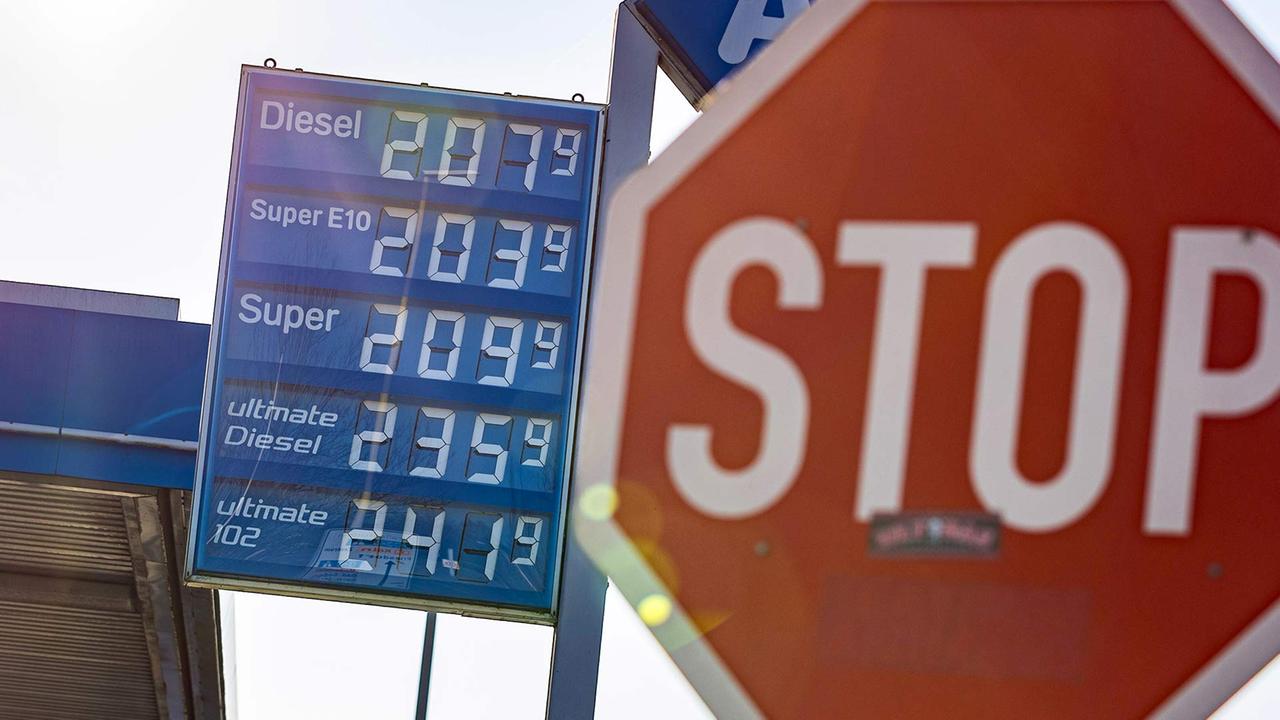
CO2 Surcharge Pushes Fuel Prices Up: What to Expect at Year-End
As the calendar pages turn towards the end of the year, many motorists brace themselves for unwelcome news at the fuel pump. The recurring phenomenon of spritpreise gestiegen – rising fuel prices – often becomes particularly acute during this period, driven by a combination of factors, most notably the implementation or increase of the CO2 surcharge. This isn't just about a few cents here and there; these year-end adjustments can significantly impact household budgets and business operations. Understanding the mechanics behind these increases, and what to expect, is crucial for navigating the evolving energy landscape.
The sentiment is familiar: just when you think fuel costs couldn't climb any higher, another wave hits. While global oil market dynamics, geopolitical events, and currency fluctuations always play a role, the CO2 surcharge introduces a predictable, policy-driven component to these year-end hikes. Compounding this, whispers from the pumps suggest that gas stations often "add something on top," further exacerbating the financial burden on consumers. This article delves into the specifics of the CO2 surcharge, the additional markups, and provides actionable insights for managing the impact on your wallet as the year draws to a close.
The Looming CO2 Surcharge: A Deeper Dive
At its core, the CO2 surcharge, also known as carbon pricing, is an economic instrument designed to mitigate climate change by making activities that produce carbon dioxide more expensive. For fuel, this means a levy added per ton of CO2 emitted when petrol or diesel is combusted. The primary goal is to incentivize cleaner alternatives, reduce overall fossil fuel consumption, and thereby lower greenhouse gas emissions to meet national and international climate targets.
These surcharges are typically introduced or increased at year-end because this often aligns with new legislative cycles, annual budget adjustments, or phased implementation plans for environmental policies. Governments commit to gradually increasing the cost of carbon over time, making it more expensive for businesses and consumers to continue carbon-intensive practices. While the environmental intention is clear, the immediate consequence for motorists is a direct increase in the price they pay at the pump. This upward trend in fuel costs, often termed spritpreise gestiegen, is a direct reflection of these policy choices.
The impact of a CO2 surcharge is not merely theoretical; it translates directly into higher prices for petrol and diesel. Depending on the current rate and the annual increments, this can add several cents per liter. For average drivers, this means a noticeable increase in their monthly fuel expenses. For businesses, especially those in logistics, transportation, or agriculture, it translates into higher operational costs, which can then be passed on to consumers through increased prices for goods and services, contributing to broader inflationary pressures. To understand the intricacies of how these environmental policies hit your personal finances, consider reading our detailed analysis: Rising Fuel Costs: How CO2 Surcharges Impact Your Wallet.
Beyond the Surcharge: Understanding Station Markups
While the CO2 surcharge is a government-mandated increase, another significant factor contributing to year-end fuel price hikes is the phenomenon of gas stations "adding something on top." This isn't necessarily a malicious act, but rather a complex interplay of market dynamics, operational costs, and competitive strategies that can amplify the impact of external price increases.
Several reasons contribute to these additional markups:
- Increased Procurement Costs: When wholesale fuel prices rise due to the CO2 surcharge or other global factors, stations naturally pass these increased costs on to consumers to maintain their profit margins.
- Seasonal Demand and Supply: Year-end often coincides with holiday travel or increased commercial activity, leading to higher demand. Stations may adjust prices upwards in response to this demand.
- Operational Expenses: Like any business, gas stations face rising operational costs – including electricity, wages, maintenance, and insurance. These can be factored into the final price.
- Competitive Landscape: While stations compete fiercely, there can also be a tendency for prices to rise in unison during periods of general market increases. If one station raises its prices due to a surcharge, others often follow suit, sometimes adding a little extra cushion.
- Profit Margin Protection: In an environment where the base cost of fuel is rising steadily due to policy decisions, stations may subtly increase their margins to ensure viability, especially as volumes might decrease due to higher prices.
The combination of the predictable CO2 surcharge and these less transparent station markups creates a powerful multiplier effect on the price at the pump. What might start as a modest governmental levy can quickly become a much more significant jump in the final price, leaving motorists feeling the squeeze more acutely. For a comprehensive breakdown of these multifaceted price influences, check out: Fuel Price Hikes: CO2 Surcharge and Station Markups Explained.
The Ripple Effect: Broader Economic and Consumer Impact
The constant upward pressure on fuel prices, exemplified by the spritpreise gestiegen phenomenon, extends far beyond the individual motorist's wallet. It creates a ripple effect throughout the economy, touching various sectors and ultimately influencing the cost of living for everyone.
Impact on Individual Drivers:
- Budget Strain: For many households, fuel is a significant recurring expense. Higher prices mean less disposable income for other necessities or leisure activities.
- Commuting Costs: Daily commuters face increased costs, potentially making long commutes less economically viable and influencing decisions about where to live and work.
- Travel & Leisure: Road trips and vacations become more expensive, potentially leading to a reduction in travel or changes in travel habits.
Impact on Businesses:
- Increased Operational Costs: Any business relying on transportation – from delivery services and logistics companies to construction firms and agriculture – will see their costs rise.
- Supply Chain Disruptions: Higher transportation costs can strain supply chains, leading to delays or increased prices for goods.
- Inflationary Pressures: When the cost of moving goods and services increases, businesses often pass these costs on to consumers. This contributes to general inflation, meaning everything from groceries to household items becomes more expensive.
- Reduced Competitiveness: Businesses in regions with higher fuel costs might find themselves at a disadvantage compared to those in areas with lower costs, impacting local economies.
Public sentiment often reflects frustration and concern over these continuous increases. The balancing act between achieving environmental goals through carbon pricing and minimizing the economic burden on citizens and businesses remains a persistent challenge for policymakers. The year-end surge, therefore, is not just a financial concern; it's a social and economic indicator.
Navigating the Increases: Strategies for Drivers and Businesses
While the prospect of spritpreise gestiegen at year-end can be daunting, there are practical strategies that both individual drivers and businesses can employ to mitigate the financial impact.
For Individual Drivers:
Taking proactive steps can help reduce your fuel consumption and offset rising costs:
- Embrace Fuel-Efficient Driving:
- Maintain a steady speed and avoid aggressive acceleration and braking.
- Use cruise control on highways.
- Shift gears efficiently in manual cars.
- Vehicle Maintenance:
- Keep tires properly inflated to the recommended pressure.
- Ensure regular engine tuning and oil changes.
- Replace air filters regularly.
- Smart Travel Planning:
- Plan your routes to avoid traffic and reduce unnecessary mileage.
- Combine multiple errands into one trip.
- Consider carpooling with colleagues or friends.
- Utilize Technology:
- Use navigation apps to find the most fuel-efficient routes.
- Explore apps that compare fuel prices at nearby stations to find the cheapest option (prices can vary significantly even within a few miles).
- Explore Alternatives:
- For short distances, consider walking or cycling.
- Make greater use of public transportation when feasible.
- In the long term, consider switching to an electric or hybrid vehicle to reduce or eliminate reliance on fossil fuels.
For Businesses:
Businesses, especially those with large fleets, have an even greater incentive to manage fuel costs:
- Optimize Logistics and Routes:
- Implement sophisticated route planning software to minimize mileage and delivery times.
- Consolidate deliveries and optimize vehicle loading.
- Fleet Modernization:
- Invest in more fuel-efficient vehicles, including electric or hybrid models, where practical.
- Ensure regular maintenance of the entire fleet to maintain optimal fuel economy.
- Driver Training:
- Train drivers in eco-driving techniques to reduce fuel consumption.
- Monitor driver behavior using telematics to identify and correct inefficient practices.
- Fuel Management Systems:
- Implement systems to track and analyze fuel consumption across the fleet.
- Negotiate bulk fuel discounts or explore hedging strategies if appropriate for the scale of operations.
- Explore Alternative Fuels:
- Investigate the feasibility of transitioning to alternative fuels like natural gas, hydrogen, or biofuels for specific parts of the fleet.
Looking Ahead: The Future of Fuel Prices and Policy
The trend of rising fuel prices, largely influenced by CO2 surcharges, is unlikely to reverse in the long term. As governments worldwide intensify their efforts to combat climate change, carbon pricing mechanisms are expected to become more widespread and stringent. This means that the phenomenon of spritpreise gestiegen will remain a constant consideration for consumers and businesses alike.
Policymakers face the delicate task of balancing environmental imperatives with economic realities. While carbon pricing effectively incentivizes a shift away from fossil fuels, it must be implemented in a way that minimizes undue hardship on vulnerable populations and avoids stifling economic growth. Future policies may include compensatory measures, subsidies for green technologies, or targeted support for industries most affected by the transition.
Ultimately, adapting to this changing energy landscape will require foresight and flexibility. For consumers, it means embracing more sustainable travel habits and exploring greener vehicle options. For businesses, it involves innovating operational processes and investing in cleaner technologies. The journey towards a carbon-neutral future will undoubtedly have its financial implications, but understanding and preparing for them is the first step towards resilience.
As the year-end approaches and the specter of CO2 surcharges and additional markups looms, the reality of spritpreise gestiegen becomes an unavoidable financial consideration. These increases, driven by environmental policy and market dynamics, demand proactive strategies from both individual drivers and businesses. By understanding the underlying mechanisms and implementing smart consumption habits, vehicle maintenance, and strategic planning, it is possible to mitigate some of the impact. While the transition to a lower-carbon economy will continue to present challenges, informed decision-making remains the most powerful tool for navigating the evolving costs at the fuel pump.